




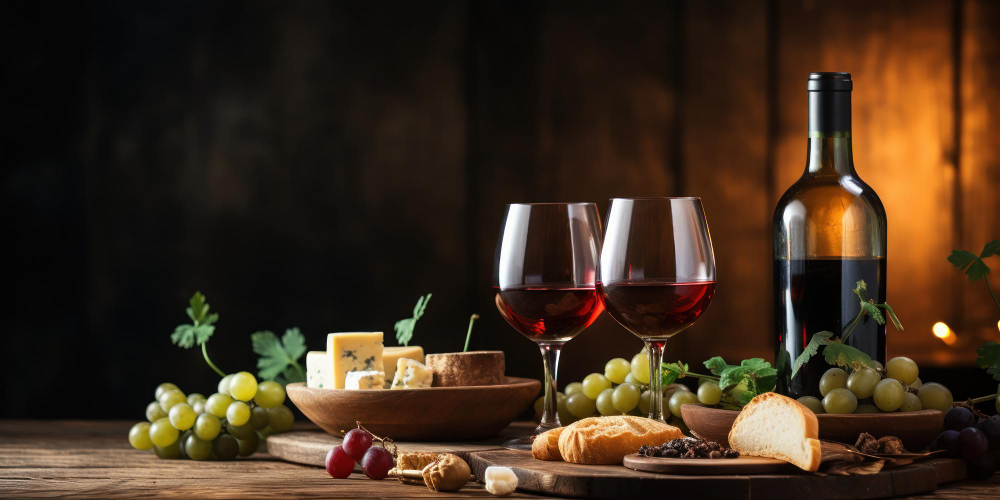
 Gastronomy
Tenerife has five wine appellations on an island covering just 2,034 km²: Abona, Tacoronte-Acentejo, Valle de Güímar, Valle de La Orotava and Ycoden-Daute-Isora. Its vineyards climb to altitudes of up to 1,600 metres on the slopes of Mount Teide, while the island also has a strong tradition of artisan goat cheese production. Many wineries and cheese dairies can be visited with advance booking, making wine tourism an excellent way to discover a different side of Tenerife.
If you are wondering what to do in Tenerife besides visiting the beach and Mount Teide, exploring its wines, cheeses and traditional products reveals another side of the island.
Why is Tenerife wine different?
Three characteristics help explain what makes Tenerife’s wines so distinctive.
Ungrafted vines
The phylloxera epidemic that devastated European vineyards during the 19th century never reached the Canary Islands.
As a result, vines can still be found here growing on their own roots — something that has disappeared from much of continental Europe’s wine-growing landscape.
Volcanic soils and high-altitude vineyards
Volcanic soil is a defining characteristic of Tenerife’s wine regions.
In areas such as Abona, vineyards reach altitudes of almost 1,600 metres above sea level. At these elevations, the difference between daytime and night-time temperatures influences the characteristics of the grapes and the resulting wines.
Grape varieties you may never have tried before
Listán Blanco, Listán Negro, Negramoll, Malvasía, Baboso Negro and Vijariego are some of the varieties you may encounter while discovering Canary Islands wine.
How many wine appellations does Tenerife have?
Tenerife has five of its own wine appellations, as well as the regional DO Islas Canarias.
| Appellation | Area | Profile |
|---|---|---|
| Abona | South, from the coast to Vilaflor | Full-bodied whites and high-altitude vineyards |
| Tacoronte-Acentejo | North | Predominantly red wines |
| Valle de Güímar | East | Mainly fresh and fruity whites |
| Valle de La Orotava | North | Whites, rosés and soft reds |
| Ycoden-Daute-Isora | North-west | Historic region associated with Canary Wine |
The famous Canary Wine is part of the islands’ history. Canary Malvasía wine was exported to England as early as the 16th century and was even mentioned in Elizabethan literature.
Tenerife was producing prestigious wine centuries before tourism transformed the island.
Where can you discover Tenerife’s high-altitude vineyards?
One of the best places to understand the wines of southern Tenerife is Vilaflor de Chasna.
Here you will find Bodegas Reverón, with certified organic vineyards located at more than 1,300 metres above sea level.
Available experiences include winery visits with tastings of different wines accompanied by Canarian products such as cheese, almogrote, cured meats, dried figs, nuts and Indian prickly pear jam.
Visits require advance booking, and Tenerife Top Tours offers Bodegas Reverón as an organised experience combining the winery visit, tasting and Canarian snacks.
Where can you taste artisan goat cheese in Tenerife?
Wine is only one part of Tenerife’s gastronomic experience.
In Tijoco Bajo, Adeje, you will find Quesería Montesdeoca, a family-run artisan cheese dairy with three generations of history and more than thirty awards.
The visit lasts approximately 60 minutes and gives visitors the opportunity to experience the working farm directly.
The experience includes:
- A herd of more than one thousand goats.
- Contact with the animals during feeding and milking.
- A look at the artisan cheese-making process.
- Tasting different varieties of cheese.
- Almogrote.
- Blind tasting and wine pairing.
Its products include smoked cheeses, varieties featuring gofio, cheeses with fig-infused rinds and goat’s milk butter.
The cheese dairy is located approximately 20 minutes by car from Costa Adeje.
Almogrote, gofio and mojo: Canarian flavours you should know
Exploring Tenerife’s gastronomy also means learning a few new words.
Almogrote: a spread made with cured cheese, pepper, garlic and oil. Originally from La Gomera, it is commonly served on bread or toast.
Gofio: toasted and ground cereal that has been part of the Canary Islands’ diet since before the conquest.
Mojo: one of the Canary Islands’ most characteristic sauces. Common varieties include red and green mojo.
Papas arrugadas: small potatoes cooked with plenty of salt and traditionally served with mojo.
Tuno indio: the fruit of the prickly pear cactus, used to make products including jams.
Together, these flavours turn a wine-tasting experience into a broader introduction to Canarian gastronomy.
Can you combine wine tasting with a visit to Mount Teide?
Yes. In fact, it is one of the most interesting ways to make the most of a full day in Tenerife.
The journey takes you from sea level towards Tenerife’s high-altitude volcanic landscapes, passing through different vegetation zones while adding a gastronomic stop along the way.
The Wine Tour + Mount Teide experience combines a guided visit to Bodegas Monje, including a tasting of three wines and three appetisers, followed by a visit to Teide National Park.
The experience lasts approximately six hours, includes pick-up from your accommodation and requires very little physical effort.
Another way to discover Tenerife’s wine culture is through its traditional guachinches — establishments historically associated with locally produced wine and home-style Canarian food.
How should you organise a wine tourism day in Tenerife?
The first recommendation is simple: book in advance. Wineries and cheese dairies are working businesses rather than exhibition spaces, so visits are organised by appointment.
If you are visiting Vilaflor, a morning visit is particularly interesting for enjoying the surroundings and vineyard views.
You should also decide who is going to drive before setting off. Wine tasting and mountain roads are not an ideal combination. Either designate a driver or choose an excursion that includes transport.
Bring something warm too. Vilaflor is located at around 1,400 metres above sea level, so temperatures can be considerably cooler than in Tenerife’s southern coastal resorts.
Finally, if you plan to take some wine home, check your airline’s rules regarding liquids before buying several bottles.
Frequently asked questions about wine and cheese in Tenerife
How many wine appellations does Tenerife have?
Five: Abona, Tacoronte-Acentejo, Valle de Güímar, Valle de La Orotava and Ycoden-Daute-Isora. There is also the regional DO Islas Canarias.
Can you visit wineries in Tenerife?
Yes. Many wineries offer guided visits and tastings with advance booking. Bodegas Reverón and Bodegas Monje are two of the wineries featured in this guide.
Where are Tenerife’s highest vineyards?
In the Vilaflor area, within the Abona wine region, vineyards reach altitudes approaching 1,600 metres on the slopes of Mount Teide.
What is almogrote?
Almogrote is a spread made from cured cheese, garlic, pepper and oil. It originates from La Gomera and is commonly served as part of Canarian tastings.
What can you do in Tenerife when it rains or there is calima?
Visiting a winery or cheese dairy can be a good alternative because much of the experience takes place indoors and does not depend on having a sunny beach day.
Is wine tourism in Tenerife expensive?
A typical winery visit with tasting lasts between one and two hours and may include local food, making it an alternative to longer excursions and adventure activities.
Can you visit a cheese dairy with children?
The Quesería Montesdeoca visit allows visitors to meet the goats and see activities such as milking. Wine tasting is, of course, for adults.
Can you combine wine tasting and Mount Teide in the same day?
Yes. Visiting a winery in the morning and Teide National Park afterwards can be combined into an experience lasting approximately six hours.
Taste Tenerife, don’t just see it
Tenerife can be admired from its beaches, hiking trails and viewpoints. But part of the island’s history is also found in its vineyards, grape varieties and artisan cheeses.
A glass of Listán Blanco, a piece of smoked cheese or a slice of toast with almogrote can tell you a great deal about the island.


Comments are closed